Skip to Content

Newsletters

In-depth analysis and commentary from our analysts

Test Newsletter 1

Lorem ipsum dolor sit amet, consectetur adipiscing elit, sed do eiusmod tempor incididunt ut labore et dolore magna aliqua. Ut enim ad minim veniam, quis nostrud exercitation ullamco laboris nisi ut aliquip ex ea commodo consequat. Duis aute irure dolor in reprehenderit in voluptate velit esse cillum dolore eu fugiat nulla pariatur. Excepteur sint occaecat cupidatat non proident, sunt in culpa qui officia deserunt mollit anim id est laborum.

Test Newsletter 1
September 01, 2026
Who Holds the Mic? The Power and Politics of Speaking for Ghana’s Smallholder Cocoa Farmers

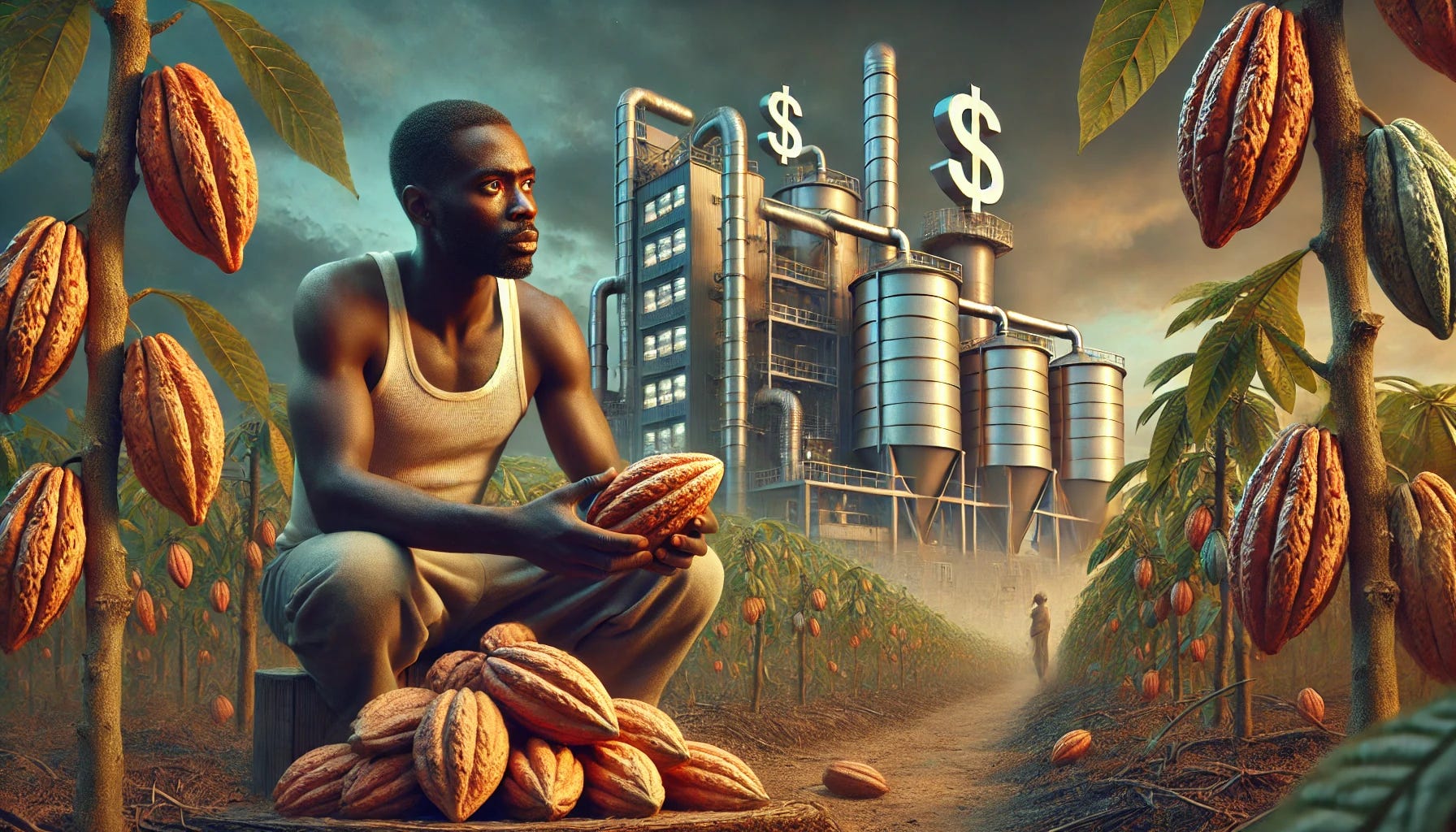
It is a daunting question but still needs to be asked. who truly speaks for the smallholder cocoa farmer? In Ghana, a country whose very identity is tied to the cultivation of this “cash crop”, this question feels urgent yet elusive. At face value, it might appear that numerous voices claim to champion the farmer: cooperatives like Kuapa Kokoo, advocacy groups, sustainability organisations, chocolate companies, and even the Ghana Cocoa Board. I am sure you are not surprised by this question as various individuals (like myself), institutions, regulations, initiatives, academics, and interventions are all claiming to be the best at speaking on the exact issues that Ghanaian smallholder Cocoa farmers face. Each of these entities operates with the supposed aim of addressing the farmer’s

Who Holds the Mic? The Power and Politics of Speaking for Ghana’s Smallholder Cocoa Farmers
September 01, 2026
Tax Breaks for Some, Burdens for Others: The Dual Reality of Ghana’s Free Zones Policy within the Cocoa Value Chain

Let’s revisit Ghana Freezones as a Policy that had intentions whose unintended consequences overshadowed it in the Ghanaian cocoa-chocolate value chain. The introduction of Ghana’s Free Zones policy in the mid-1990s was a strategic attempt to accelerate export-driven industrialisation, attract foreign direct investment (FDI), and enhance value addition in key export sectors, including cocoa. Designed with generous incentives such as tax holidays, duty exemptions, and unrestricted capital repatriation, the policy aimed to position Ghana as a competitive global processing hub. From a political perspective, however, the outcomes of this policy have been shaped by the interests, power asymmetries, and interactions among key actors, that is the state, multinational corporations (MNCs), local

Tax Breaks for Some, Burdens for Others: The Dual Reality of Ghana’s Free Zones Policy within the Cocoa Value Chain
September 01, 2026